Understanding Your Sales Pipeline: A Practical Guide
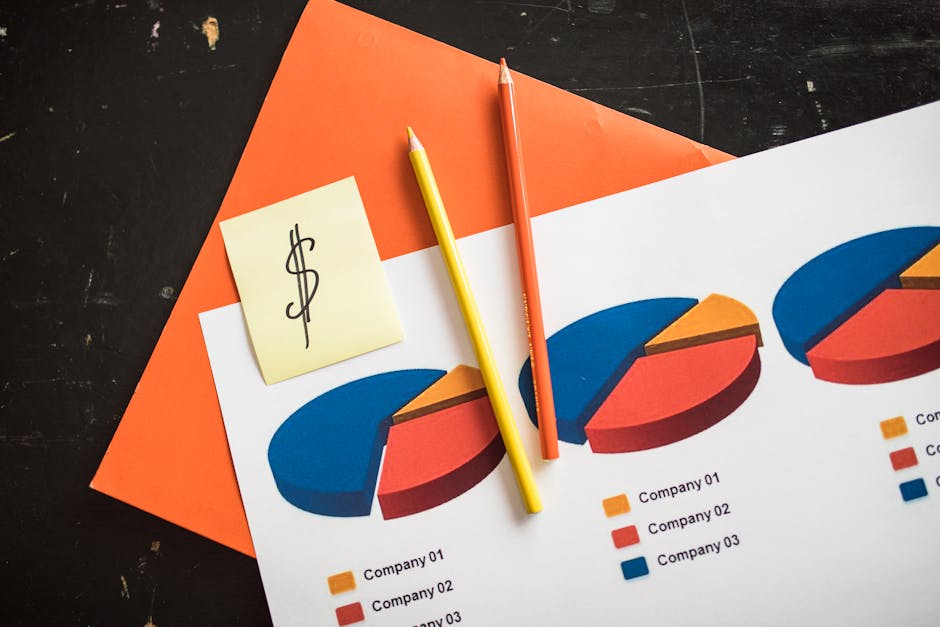
A sales pipeline is the backbone of any successful sales operation. It's essentially a visual representation of all your potential deals at various stages of the sales process, from initial contact through to closing. Understanding and managing your pipeline effectively can transform your business results.
At its core, a sales pipeline helps you track where each prospect is in their buying journey. Rather than hoping deals will close, you gain visibility into what's happening with every opportunity. This means you can forecast revenue more accurately, identify bottlenecks, and spot which deals need attention.
The Key Stages of a Sales Pipeline
Most effective pipelines include stages like prospecting, qualification, proposal, negotiation, and closing. However, your specific stages should reflect your actual sales process. A B2B software company might have different stages than a recruitment firm, and that's perfectly fine. What matters is that your stages are meaningful to your business.
Each stage should have clear criteria for when a deal moves forward. Without this definition, deals can stall or progress unrealistically. For example, a prospect shouldn't move from "prospecting" to "proposal" until you've confirmed they have a genuine need and budget.
Making Your Pipeline Actionable
The real value of a sales pipeline comes from using it actively. Review it regularly—ideally weekly—to identify deals that are stuck, opportunities that need pushing, and patterns in your sales process. Which stages take the longest? Where do deals typically fall out? This data is gold for improving your process.
Set targets for how many deals should be in each stage. If your average deal value is £10,000 and you close 20% of proposals, you'll need roughly five proposals in progress to hit a £10,000 monthly target. Working backwards helps you understand how many prospects you need to qualify.
Common Pipeline Mistakes to Avoid
Don't let deals sit in stages indefinitely. If a prospect hasn't engaged in 30 days, they probably won't. Be honest about deal probability rather than inflating forecasts. And avoid mixing deals of vastly different sizes without weighting them appropriately.
Many salespeople also make the mistake of having too many pipeline stages, which creates confusion, or too few, which hides important information. Find the sweet spot for your business—usually between 5 and 7 stages works well.
Your sales pipeline is a tool that works best when it reflects reality. Invest time in setting it up properly, keep it updated religiously, and use it to drive better decisions. The businesses that master pipeline management consistently outperform their competitors.